
HAVE YOU EVER WONDERED THE SECRET BEHIND LONGEVITY IN THE OLDER GENERATION COMPARED TO THE 21ST CENTURY, OR HAVE YOU EVER NOTICED DISEASES SUCH AS HYPERTENSION, TYPE 2 DIABETES, HYPERCHOLESTEROLAEMIA, OR OTHER CHRONIC CARDIAC (HEART) AND GASTROINTESTINAL (GUT) CONDITIONS AND OBESITY WERE FAR LESS COMMON COMPARED TO TODAY?
What could have been the reason that our great-grandparents lived such long and healthy lives? Let’s discuss this here.
WHAT ARE NON-COMMUNICABLE DISEASES (NCDs)?
NCDs are slow killers as they develop slowly, and when not managed, it leads to further complications and deaths. Diseases such as diabetes, hypertension, and hypercholesterolaemia lead to many other complications such as cardiac failure, stroke, haemorrhage, amputation, and death. These diseases are not spread from person to person, but are due to lifestyle choices and could be genetically linked.
HOW DOES MODERNIZATION PLAY A ROLE?
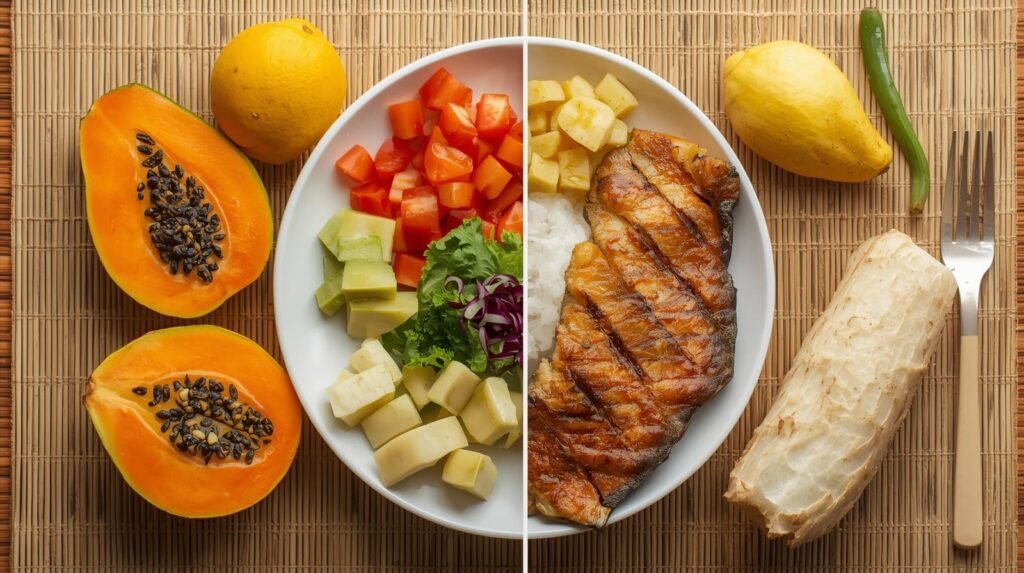
In the past, the Pacific, including Fijian food traditions, primarily centered on fresh produce such as root crops, local and seasonal fruits and vegetables, and seafood like fish, cooked using traditional methods, for example, earth ovens (lovo). Moreover, these foods contained no processed oil and were cooked in coconut milk, for instance, “Rourou.“They relied on daily fishing and farming, which kept them active. Additionally, technology such as mobile phones and social media was uncommon, so most leisure hours were spent outdoors, which kept them very active.
As modernization began, people became busier, thriving and earning, neglecting nature and its produces and because they had limited time, individuals preferred fast food and takeaways over freshly cooked meals. Western influence on lifestyle has had a great impact, and this is evident through statistics on NCDs in the Pacific. Recent data show that NCDs account for 60% to 75% of mortalities in the Pacific (https://phd.spc.int/programmes/non-communicable-diseases), while the Ministry of Health and Medical Services (MHMS) also reports an approximately 80% mortality rate in Fiji, and these numbers are expected to grow (https://www.health.gov.fj/ncds/ncds-in-fiji/).
Moreover, as people started replacing fresh produce with fast food and as the level of physical activity decreased, the human body system began to work harder to accommodate the bodily changes. For instance, when the amount of daily sugar intake from packaged food, pastries, and fizzy drinks increases, the pancreas starts to produce more insulin to break down these sugar molecules. However, over time, the body tissues become less responsive to insulin, known as insulin resistance. Many times, individuals keep on neglecting the signs and symptoms and continue practicing unhealthy diet and lifestyle choices. In the early stages, pancreatic beta cells try to compensate for the increasing demand for insulin; however, with prolonged resistance, the beta cells lose their ability to maintain the increased output of insulin. This means that glucose is no longer taken up by cells and accumulates in the bloodstream, showing as persistently elevated blood glucose levels on a glucometer and elevated HbA1c levels ( https://emedicine.medscape.com/article/117853-overview#a3 ). This is known as type II diabetes mellitus (T2DM).
Similarly, unhealthy dietary choices, smoking, alcohol, and physical inactivity contribute to the growing non-communicable diseases.
PHYSICAL INACTIVITY AND LIFESTYLE CHOICE
Most white-collar jobs require sitting in an enclosed environment for hours and completing tasks, which means there is very little energy expenditure, and when individuals do not monitor their diet and lifestyle, it may lead to obesity. Obesity is a very concerning subject as it may contribute to diabetes, high cholesterol, and high blood pressure. Recent data from the World Health Organization (WHO) shows that the Pacifics account for 9 of the 10 top countries around the world with highly prevalent obesity, and most are women and men aged 20 and over, which is very worrying as Pacific nations are not very large in comparison to other countries ( https://www.who.int/westernpacific/about/how-we-work/pacific-support/news/detail/04-03-2024-study-finds-pacific-accounts-for-9-of-the-10-most-obese-countries-in-the-world )
SO, WHAT IS HAPPENING?
As development happens, more motor vehicles are seen on the roads, and usually, most families have more than one vehicle. This shows that, where once people used to walk short distances, they now use their vehicles. In addition, as mentioned earlier, there is more screen time than outdoor leisure, and also the dietary choices. These factors contribute to obesity, thus causing other health issues.
Moreover, social media advertisements and influencers promote unhealthy practices more than healthy practices. As social media users, we all come across such advertisements, whereby most food promotions are about fast food, such as pizza and burgers, and most of the time, fast food companies hire the fittest models to promote their products, or design posters in such a way that the human brain gets tempted and manipulated. This is very evident because such posts reach millions of likes and shares.
Most of you might have heard “No one bothers when someone posts or adds a story about beers and bars, but when it comes to eating eight eggs a day, protein, and creatine, everyone becomes a doctor.” To further elaborate, when a minority of the community chooses discipline and a healthy lifestyle over Western culture, they are easily criticized, which makes them lose motivation, and most of the time, they leave their discipline, reverting to Western diet culture to fit in a particular setting. The point here is not to downgrade Western culture or urbanization, but to point out how such habits harm health more and contribute further to NCDs, but are celebrated and promoted while healthy choices, self-control, and discipline are always questioned and called “boring.”
IMPACT ON THE PACIFIC ISLAND NATIONS
Many individuals are diagnosed with diabetes, hypertension, or heart disease at a very young age, which has a profound impact on the economy and growth of Pacific communities. This affects the quality of life and life expectancy.
Additionally, due to the massive increase in NCDs, the burden on healthcare systems also increases. While health professionals work together to ensure the most effective patient-centered health services are delivered, and every patient receives adequate medications, resources tend to become scarce from time to time, putting more stress on the health care systems and health professionals.
Moreover, management of chronic diseases such as diabetes requires medications when diet alone is inadequate; however, as mentioned, due to the rise in NCDs and scarcity of medications, patients are required to buy these medications from retail pharmacies, which are very costly, and every individual might not be able to keep up with the monthly medication bills.
WHAT CAN WE DO?
While most of the non-communicable diseases are manageable, it is always best to prevent than cure a disease. To elaborate further, our health is our responsibility, and by making small, consistent changes daily, we can make a huge difference to health, economy, and lifestyles in the Pacific nations.
Here are a few tips to live a healthier lifestyle:
- Diet– The first step to prevent any chronic illness is to watch what we eat, for instance, include food such as lean meat ( fish, chicken ), polyunsaturated fats, and complex carbohydrates ( wholewheat bread, oats, brown rice ), seasonal fruits, and hydration (at least 2L of water daily). Encourage each other to return to traditional methods and consumption of fresh produce.
- Exercise – Diet alone would not make much of a difference if we do not keep ourselves physically active; therefore, do some form of physical activity, such as walking, jogging, running, yoga, or strength training, for at least 30 minutes daily.

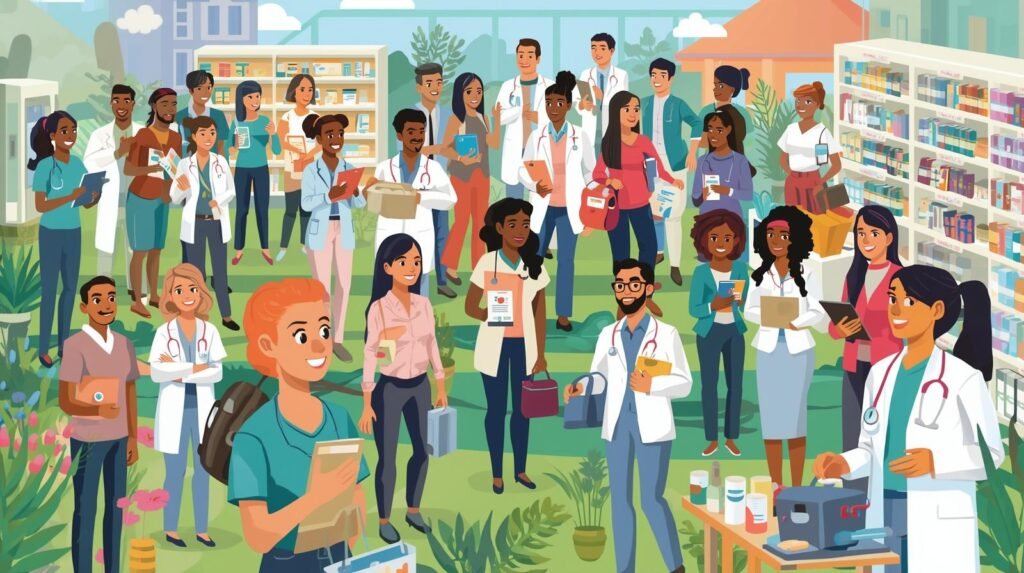
- Health promotion – which includes the roles of healthcare professionals and the community as a whole in raising awareness on different aspects that promote healthy lifestyles and accurate management of chronic illnesses.
- Business sectors – Active contribution of businesses to make healthier food more affordable.
- Cigarettes and Alcohol – Increasing taxes on such products and rising awarness about their harmful effect.
CONCLUSION
Modernization and progress are not wrong; however, in the process of growth, one should not neglect the importance of a healthy lifestyle and cultural diversity. By ensuring adequate awarnesses are rised, and people appreciate their health while still reaching milestones, the Pacific can effectively reduce NCDs and related mortality. The examples we set today by our choices will pave the way for the future generation and will be carried forward as more developments happen.