
“Girls shouldn’t lift heavy, women should not lift like men, lifting will affect your fertility, why are you even lifting, you don’t even have mass on your body, you’re too fat.”
For years, strength in Fiji was often associated with men and mainstream sports, for instance, rugby. But today, more women are stepping onto the powerlifting platform with confidence, proving that strength has no gender. The sound of weights crashing onto gym floors is becoming louder across Fiji. In small gyms, garage setups, and crowded fitness spaces, a new generation of women is emerging—strong, determined, and fearless. They are not just lifting barbells; they are lifting expectations, stereotypes, and the future of Fiji powerlifting. Behind every squat, bench press, and deadlift lies a story of sacrifice, discipline, and resilience. From balancing studies, work, and family to overcoming judgment and self-doubt, Fiji’s female powerlifters are quietly building a movement that is growing stronger every year. As the road to Oceania begins, these women carry more than medals in their sights—they carry the dream of putting Fiji’s strength on the international stage. The journey to Oceania is not only about competition; it is about representing Fiji, inspiring future athletes, and redefining what women in sport can achieve.
Furthermore, the growth of powerlifting in Fiji has been strongly influenced by women athletes who continue to break stereotypes, inspire younger lifters, and represent Fiji on regional and international platforms. Over the years, female participation in the sport has increased significantly, showing that strength sports are no longer male-dominated in Fiji.
One of the most respected names in Fiji powerlifting is Seinimili Turner, often referred to as Fiji’s “Iron Lady.” In 2014, at the age of 61, she won seven gold medals at the Oceania and Asian Raw Powerlifting Championships in Melbourne and set three world records in the Masters III category. Her achievements became a symbol of discipline, resilience, and lifelong fitness. Turner’s success inspired many women and older athletes in Fiji to take up strength sports.( https://www.fijitimes.com.fj/record-lifts/)
Another emerging athlete helping grow the sport is Susana Qionibaravi, “the strong mama”. She represents the new generation of Fijian female powerlifters and has been recognized for her rapid rise in the sport. Her participation in national and Oceania-level competitions reflects the growth and increasing opportunities available for women in Fiji powerlifting today.
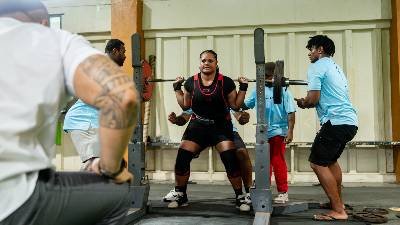
Neha Rukshar, an under-63 kg rising star, represents the growing interest of young women entering strength sports in Fiji. Athletes like Rukshar are part of a new generation helping reshape the image of powerlifting from a traditionally male-dominated sport into one that encourages female participation, confidence, and empowerment. Women lifters such as Neha are important not only for competition results but also for inspiring younger girls in Fiji to pursue strength sports without fear of stereotypes. Their presence on the platform shows that powerlifting is becoming a space where women can build confidence, discipline, resilience, and stand up for themselves in a world where women are questioned at every stage.
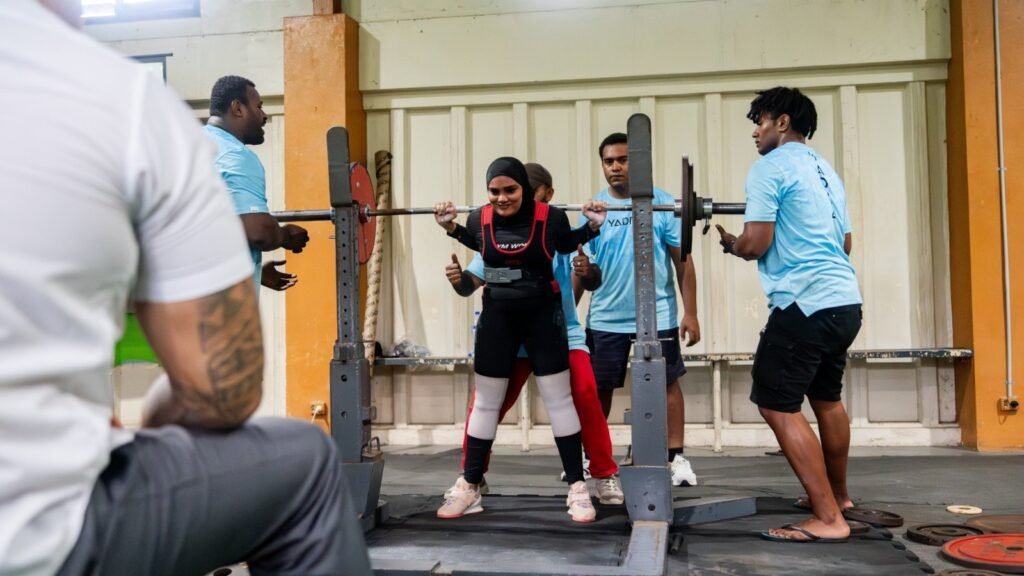
As an under-52 kg powerlifter, these stories of women lifters personally inspire me. My own journey in powerlifting has not been without challenges. Balancing training with university studies, work commitments, and the financial demands of competing has often tested my determination. There were times when progress felt slow, and competitions felt far away. However, these experiences have shown me the resilience that exists within the Fiji powerlifting community, particularly among women who continue to pursue their goals despite similar obstacles.
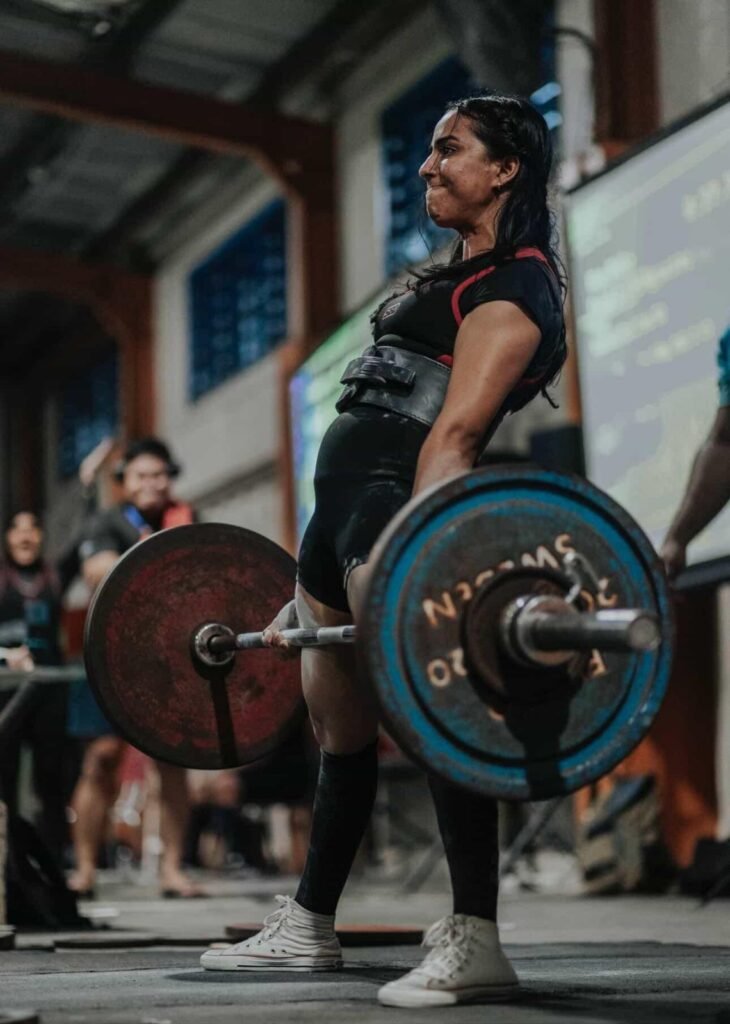
Fiji’s strength is no longer only seen in contact sports, but it is being built rep by rep, lift by lift, by women who are redefining what power looks like in the Pacific.
The recent 2026 National Powerlifting competition saw a massive rise in women lifters, with outstanding performances by each athlete and record-breaking results. The standards set by these ladies are tremendously high and serve as a stepping stone for other women who are too shy or constrained by barriers or rules. These ladies, who competed alongside me in different weight categories on the 15th of May, 2026, at the fitness center, Suva; Suzana, Kadi, Neha, Vani, Natasha, Bethliniza, Emelia, Faith, and Melissa, have been putting in countless hours of training, sacrifice, and determination through the months leading up to the event. Behind every successful lift lies countless hours of hard work and sacrifice. Athletes spend months preparing for competitions through intense training sessions, disciplined nutrition, and recovery routines. Many of these lifters also balance studies, work, family responsibilities, and financial challenges as they pursue the sport they love. Unlike larger countries with greater sporting resources, Fiji’s athletes often face limitations such as a lack of sponsorships, limited access to specialized equipment, and the high costs associated with competing internationally. Despite these challenges, the passion for powerlifting continues to grow stronger within the community.
As the sport continues to grow locally, many athletes are now aiming beyond national competitions and setting their sights on the Oceania platforms, which will be hosted in their home ground in November, 2026. For many female lifters, the journey to Oceania represents both a personal achievement and an opportunity to showcase Fiji’s growing strength community to the rest of the Pacific.
The road to Oceania is not easy. Athletes must achieve qualifying totals, maintain consistent training, and prepare both physically and mentally for high-level competition. Despite all the challenges, the dream of wearing Fiji colors on an international platform motivates women more as they continue to push beyond their limits.
Moreover, this federation not only brings opportunities but also creates a sense of community and empowerment that extends beyond competition. While communicating with other female athletes, they mention how the sport has made them feel more connected to society and cheer for each other, no matter the gender, race, or ethnicity. One of our female lifters also mentioned how the supportive environment encouraged her, and also motivated other women from her family to participate. Another lifter proudly mentioned how grateful she is to make her comeback after almost two years and feels more confident and happy while fulfilling her duties at work because the sport made her feel complete again. The sport has such a supportive environment where athletes encourage one another to grow stronger together. Through training, competitions, and shared struggles, friendships and mentorships are formed that help inspire the next generation of lifters.
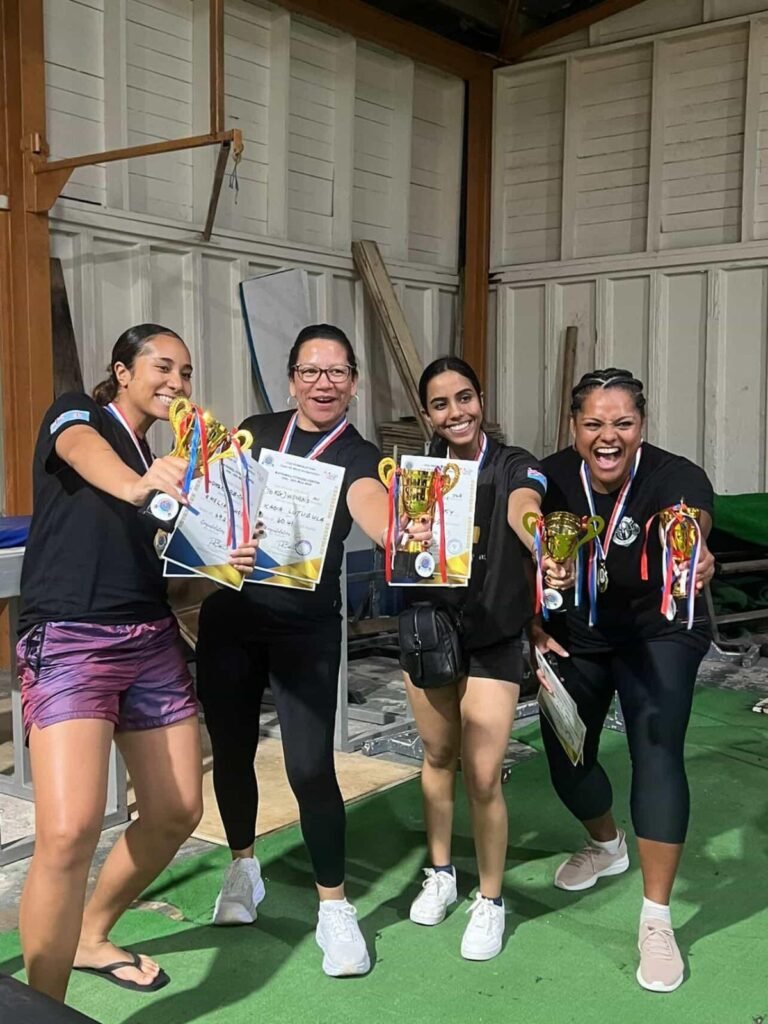
The future of Fiji powerlifting appears promising. What was once considered a niche sport dominated mainly by men is now evolving into a supportive and empowering community where women are discovering confidence, discipline, and resilience through strength training. Fiji has always been known for its strength and resilience in sports, but today that strength is taking on a new form. Rep by rep and lift by lift, women across the country are helping to shape a growing powerlifting movement that inspires others to dream bigger. With continued support from coaches, federations, gyms, and the wider community, Fiji has the potential to develop athletes capable of competing successfully on Oceania and international stages.
As a member of this community and a powerlifter, but more as a woman supporting women, I write this article to show the strength women hold, acknowledge it, and also encourage other women to break barriers and achieve their dreams. The growth of the sport is something I am proud to be part of. My journey has taught me that strength is not measured only by the weight on the barbell, but by the determination to continue showing up, even when challenges arise. Looking around at the increasing number of women entering the sport, I am excited for what lies ahead—not only for myself, but for the future of powerlifting in Fiji and the athletes who will follow.
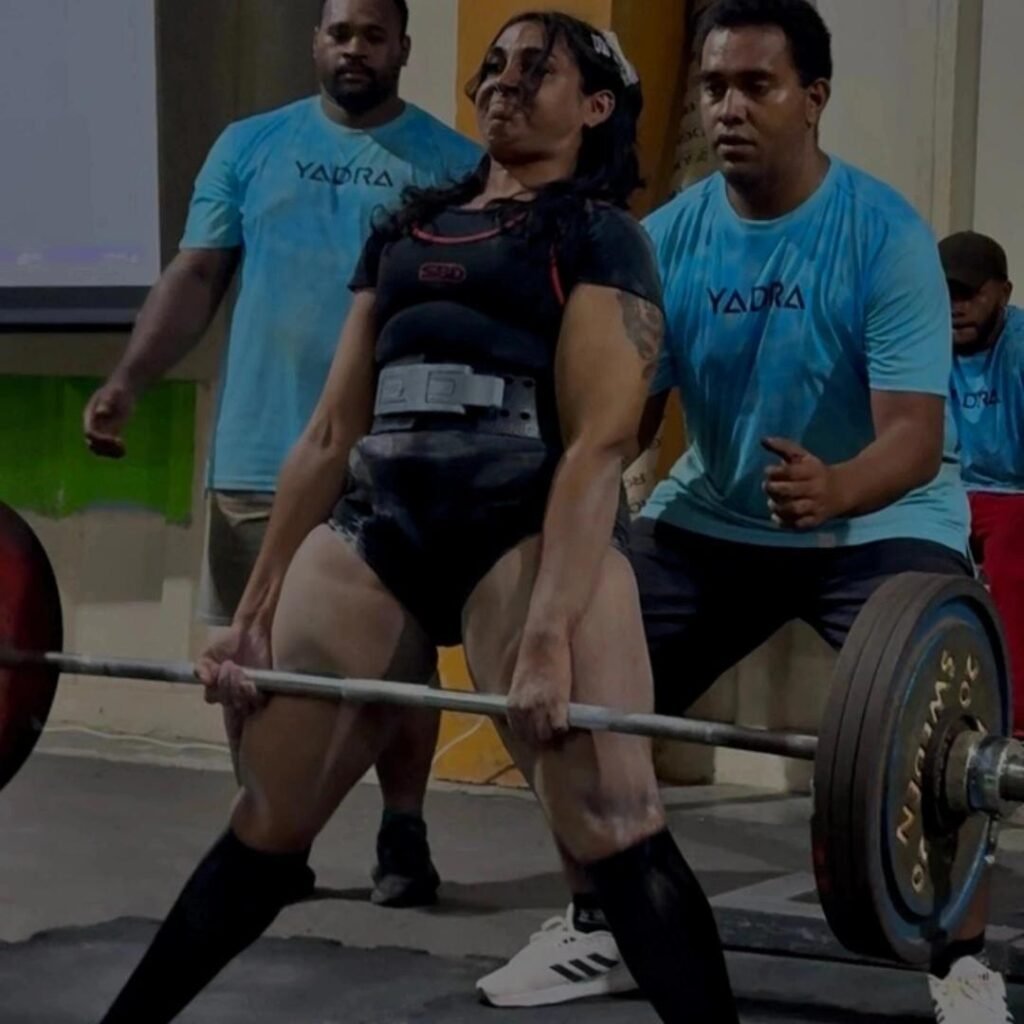
Stronger together.